
How Gusset Design Affects the Capacity and Shape of Packaging Bags
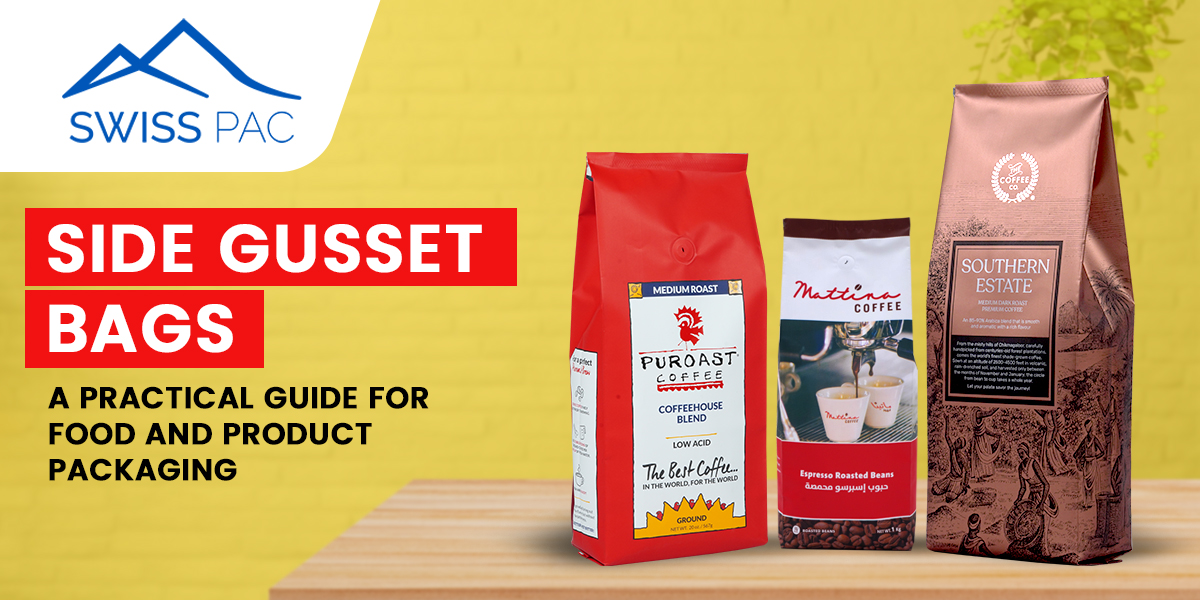
When choosing flexible packaging, the bag's overall dimensions are only part of the picture. The gusset design also plays an important role in determining how much product the package can hold, how it looks after filling and how efficiently it can be stored.
Side gusset bags are designed with folded sections along both sides that expand as the product is added. This simple construction gives brands more usable volume while keeping the package relatively compact when empty.
What Does the Gusset Actually Do?
The side gusset creates additional space within the bag. As the package fills, the folded material opens and allows the bag to expand according to the product volume.
Gusset depth directly influences the available internal volume, but it should always be considered together with the bag's width, height and the characteristics of the product being packed.
A larger gusset does not automatically mean a better package. The dimensions need to match the product, fill weight and required finished shape.
Product Density Matters
Two products with the same weight can occupy very different amounts of space. Coffee beans, powdered ingredients, grains and snacks all behave differently when placed inside a flexible package.
This is why packaging dimensions are normally determined using both the required fill weight and the product's physical characteristics. Choosing a bag based only on weight can result in insufficient capacity or unnecessary empty space.
Coffee Beans
Larger particles can occupy more volume even when the target weight remains the same.
Grains
Particle size, shape and packing behaviour can affect the required bag volume.
Powdered Ingredients
Fine materials can behave differently during filling and may require a different volume calculation.
Getting the Finished Shape Right
Gusset design also affects how the filled bag stands and presents itself. The relationship between the front panel, back panel and side folds determines the overall appearance once the package is filled.
For retail products, this matters because the finished shape can influence shelf presentation and how efficiently multiple packages can be arranged during storage and transportation.
Shape Is Part of the Packaging Design
The right gusset dimensions should provide enough product capacity while maintaining the intended appearance and proportions of the finished bag.
The right gusset dimensions should provide enough product capacity while maintaining the intended appearance and sealing area after filling.
Material and Sealing Considerations
Gusset design cannot be considered separately from the packaging material. Different laminate structures have different flexibility and stiffness characteristics, which can affect how the bag opens and takes shape.
The sealing method is equally important. The bag needs sufficient sealing area to create a reliable closure without interfering with the usable internal volume.
Material Structure
Film flexibility and stiffness can influence how the gusset opens and how the finished bag holds its shape.
Sealing Area
The design should provide enough sealing area for a reliable closure while preserving the intended usable volume.
For brands developing custom side gusset bags , these factors should be evaluated together during the packaging development stage.
Designing for the Filling Process
The filling method can also influence the final bag dimensions. Manual filling, semi automatic equipment and high speed automated lines may have different requirements for bag opening, dimensions and sealing.
Testing the actual product in the proposed packaging structure can help identify practical issues before larger production quantities are ordered.
Understand the Product
Consider product weight, density, particle size and filling behaviour.
Develop the Bag
Match bag width, height, gusset depth, material and sealing requirements.
Test Before Production
Test the actual product and proposed structure before committing to larger quantities.
The Right Gusset Starts With the Product
Gusset design may appear to be a small detail, but it can have a significant effect on packaging capacity, shape and production performance. The right combination of bag dimensions, gusset depth, material and sealing specifications helps create packaging that works properly from filling through to the customer's hands.
For brands developing new side gusset packaging , starting with the product and filling requirements is usually the best way to determine the right structure.
DISCUSS YOUR PACKAGING REQUIREMENTS →