
Compostable Pouches : Understanding Plant-Based Packaging
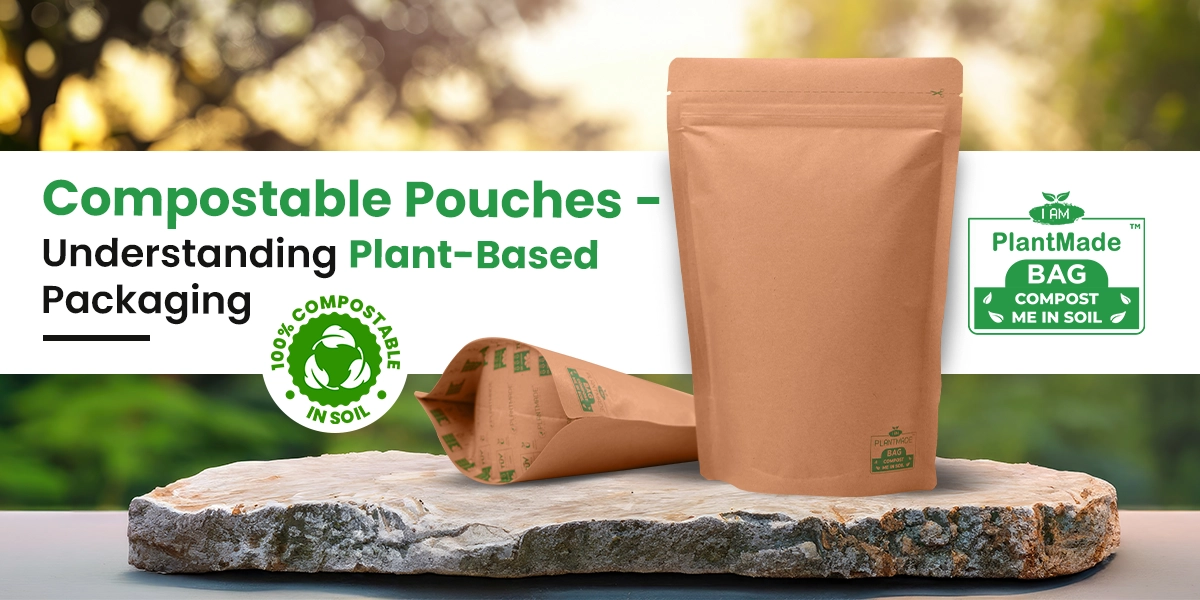
Packaging is changing as brands look for materials that can reduce dependence on conventional plastics. Compostable pouches made using plant-based or renewable materials are one option being explored for selected food and consumer products.
However, the term “plant-made” needs some context. The source of a material and its compostability are two different things.
What Makes a Pouch Compostable?
A compostable pouch uses a packaging structure designed to break down through composting under defined conditions. Depending on the material, some components can be derived from renewable or plant-based sources.
The important part is the complete pouch structure, not just one plant-based film. The films, sealing layers, adhesives, inks and other components need to be considered when evaluating the finished packaging.
FACT : IS/ISO 17088:2021 evaluates compostable plastics for disintegration, aerobic biodegradation, effects on compost and control of constituents. It is intended for organic recycling through appropriate composting processes.
Plant-Based Is Not the Same as Compostable
A material can be made from renewable resources without being compostable. Similarly, “biodegradable” and “compostable” describe different properties and should not be used interchangeably.
For Indian packaging, this distinction is particularly important because compostable plastic materials are required to conform to IS/ISO 17088:2021 under the Plastic Waste Management framework.
GOOD TO KNOW : Under India’s current rules, plastic packaging made from compostable plastics must carry the wording “compostable only under industrial composting.”
Where Can Compostable Pouches Be Used?
Compostable pouches can be considered for selected dry foods, snacks, bakery products, seeds and similar applications where the required shelf life and barrier performance can be achieved.
They are not automatically suitable for products with high oil or liquid content or applications requiring extended shelf life. Material performance should always be checked against the product before changing packaging.
For example, Swisspack’s published information notes that compostable materials can have limitations with wet and oily products, particularly for longer shelf-life applications.
PACKAGING NOTE : A sustainable material still needs to provide the right moisture, oxygen, sealing and mechanical protection for the product.
Compostable Pouches vs Conventional Pouches
The main difference is not simply that one pouch is “natural” and the other is “plastic.” It is the material structure, its performance and what happens to it after use.
Conventional flexible packaging can provide strong barrier and shelf-life performance across a wide range of products. Compostable structures are designed with a different end-of-life pathway and therefore need to be selected according to the application.
For brands, the decision should consider product protection, shelf life, material performance and available composting infrastructure together.
What Should Brands Check Before Choosing?
Before ordering plant-based compostable pouches, it is useful to confirm:
- What materials are used in the complete pouch?
- Is the finished structure tested or certified for compostability?
- Is it intended for industrial composting?
- What shelf life can the structure support?
- Is it suitable for the product’s oil and moisture levels?
- Does it meet applicable Indian packaging and food-contact requirements?
India’s rules also require manufacturers of permitted compostable plastic commodities to obtain CPCB certification before marketing or selling them.
Compostable Pouches from Swisspack.co.in
Swisspack.co.in provides flexible packaging solutions for brands looking to explore different material and pouch options, including compostable packaging.
The suitable structure depends on the product, pouch format, filling process and shelf-life requirements. Providing these details helps identify whether a compostable pouch is technically appropriate for the application.
Plant-based packaging can be part of a more considered packaging strategy, but the material should always be selected based on both product performance and its actual end-of-life conditions.